
Hearing Aid Styles
Explore Every Hearing Aid Style We Offer
Hearing aids can be worn behind the ear or in the ear. Your audiologist will guide you in choosing the right hearing aid for you. We will consider your level of hearing impairment, lifestyle requirements, and personal taste.
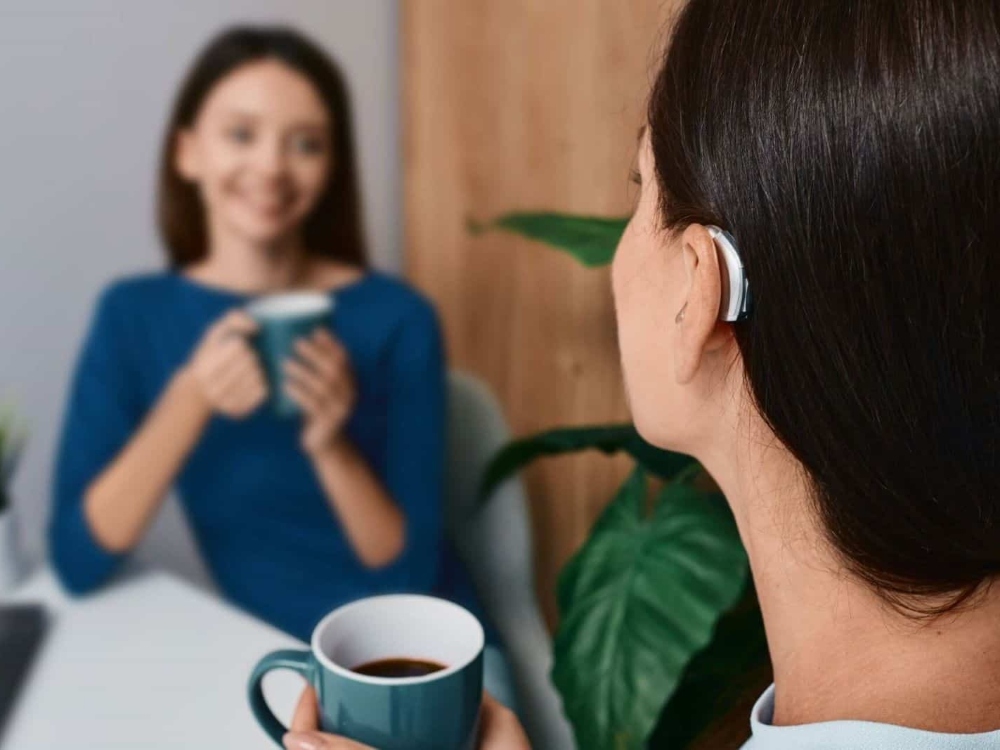
Choosing the Right Style for Your Lifestyle
The best hearing aid is the one you'll actually wear every day. Each style offers different advantages in size, power, and features — your audiologist will help you find the right match.
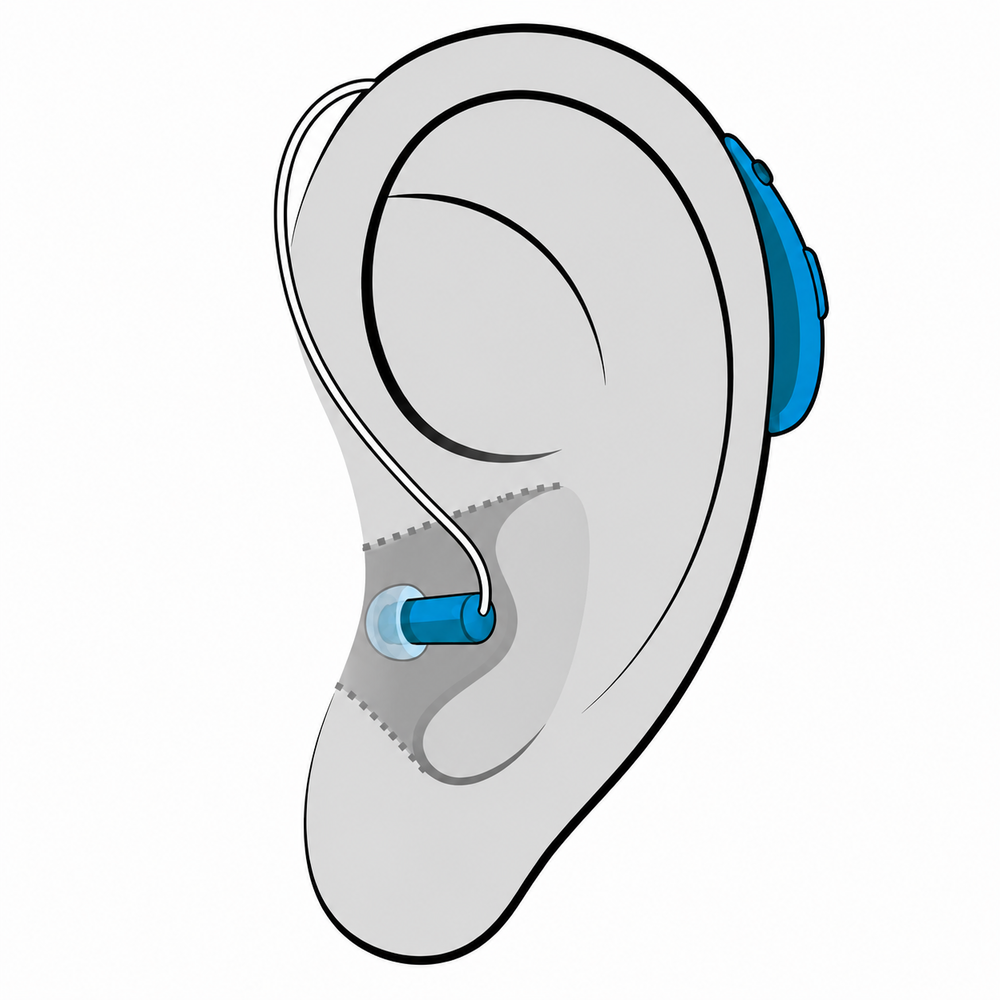
Receiver-in-Canal (RIC)
The most popular hearing aid style today. A small housing sits behind the ear and sends sound through a thin wire to a speaker placed in the ear canal. RIC devices are lightweight, discreet, and offer excellent sound quality with advanced features like Bluetooth streaming and rechargeable batteries — suitable for mild to severe hearing loss.
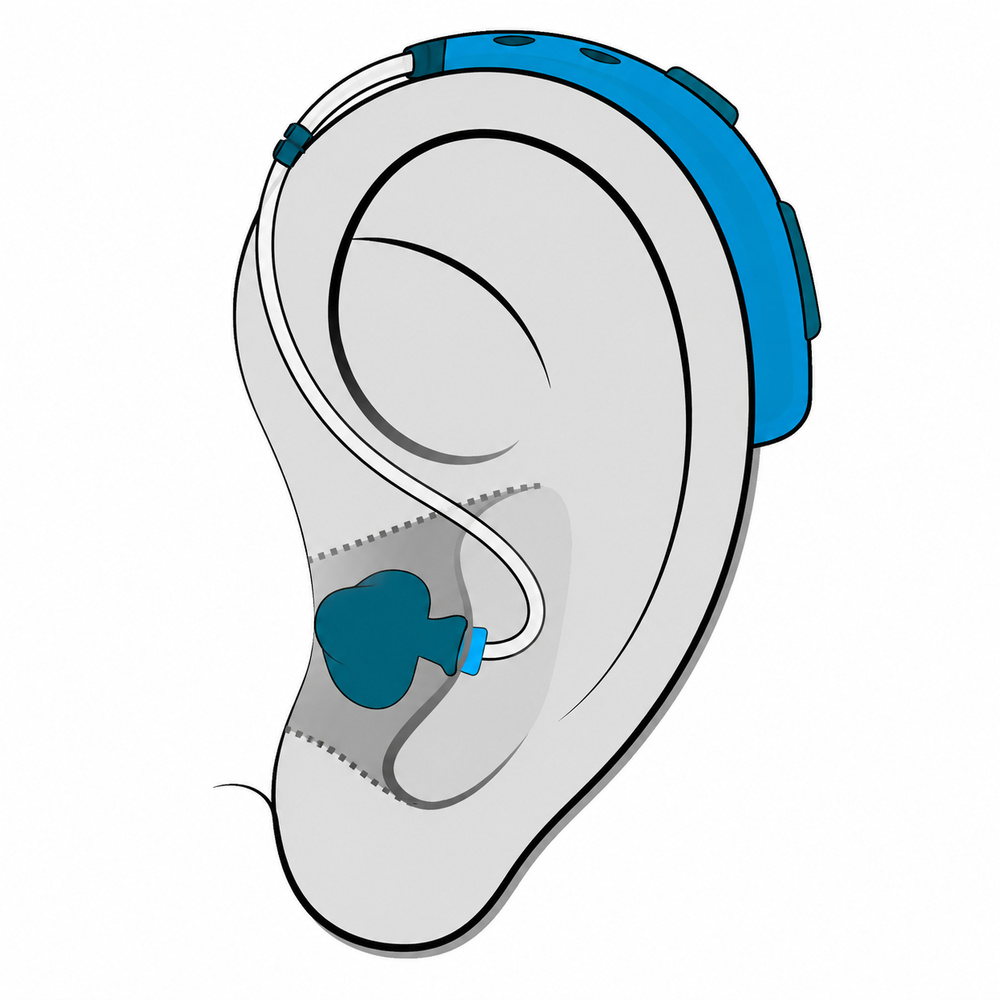
Behind-the-Ear (BTE)
The most powerful hearing aid style. The housing sits behind the ear and delivers sound through a tube to a custom ear mold. BTE devices offer the longest battery life, the most amplification, and accommodate advanced features like Bluetooth streaming — making them ideal for severe to profound hearing loss.
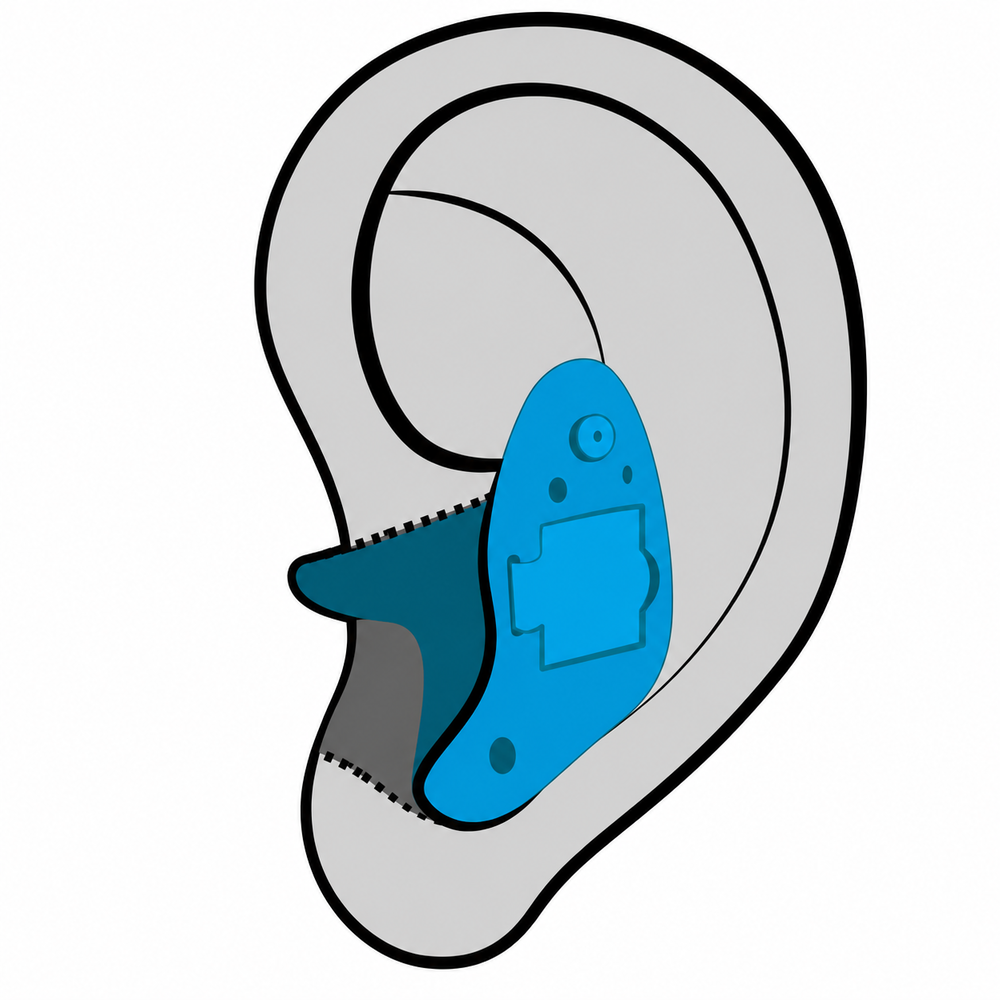
In-the-Ear (ITE)
Custom-molded to fill the outer ear bowl, ITE hearing aids are suitable for mild to severe hearing loss. Their larger size makes them easier to handle and adjust, and they can include volume controls, directional microphones, and wireless connectivity.
In-the-Canal (ITC)
Custom-fit to sit partially inside the ear canal, ITC hearing aids are smaller and more discreet than ITE models. They work well for mild to moderate hearing loss and strike a balance between discretion, comfort, and usability.
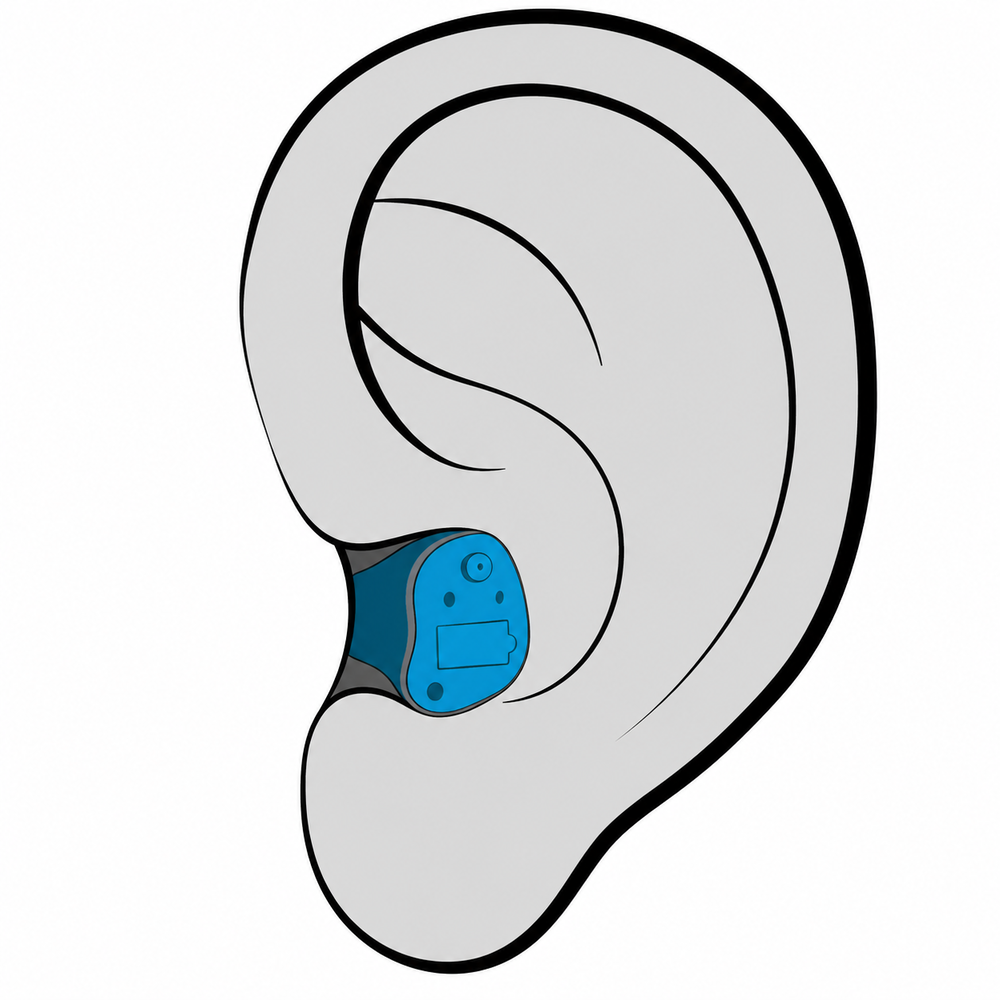
Completely-in-Canal (CIC)
Fitting entirely inside the ear canal, CIC hearing aids are very discreet with only a small removal handle visible. They're a popular choice for mild to moderate hearing loss when cosmetic appearance is a priority, though their compact size limits some advanced features.
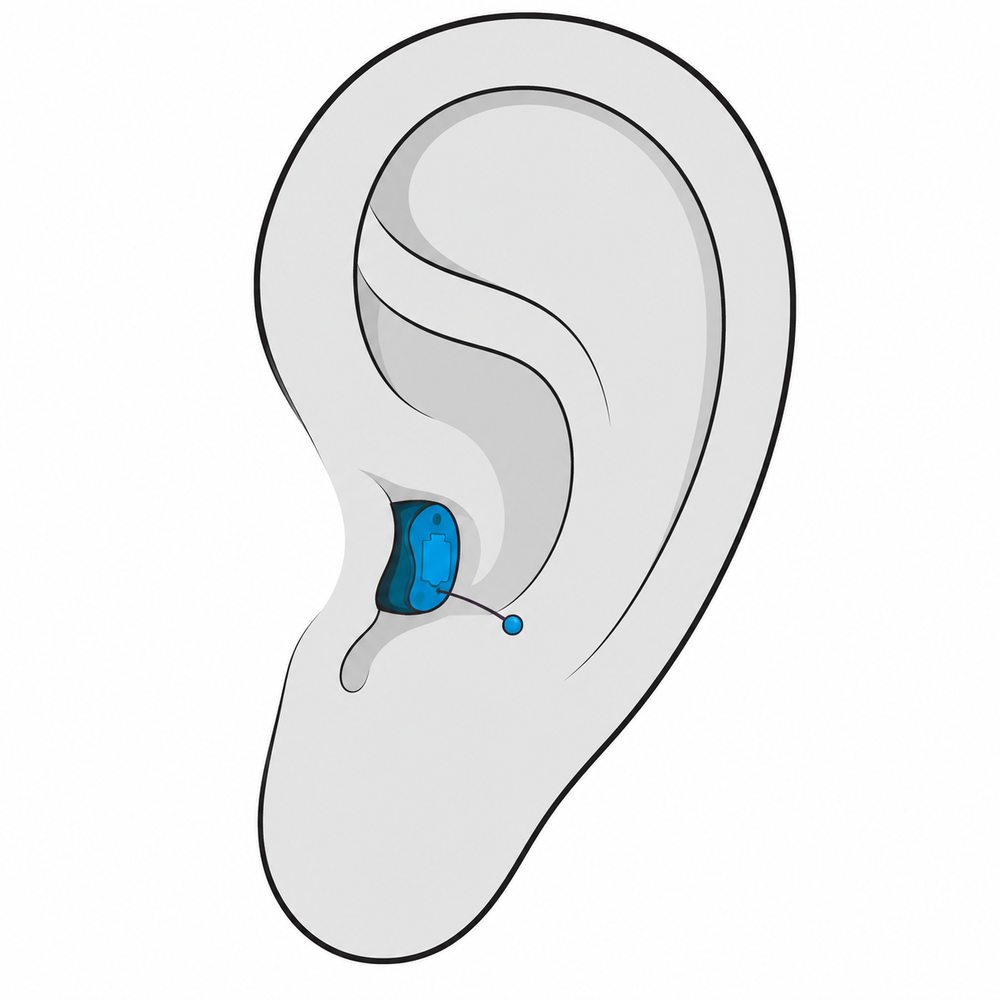
Invisible-in-Canal (IIC)
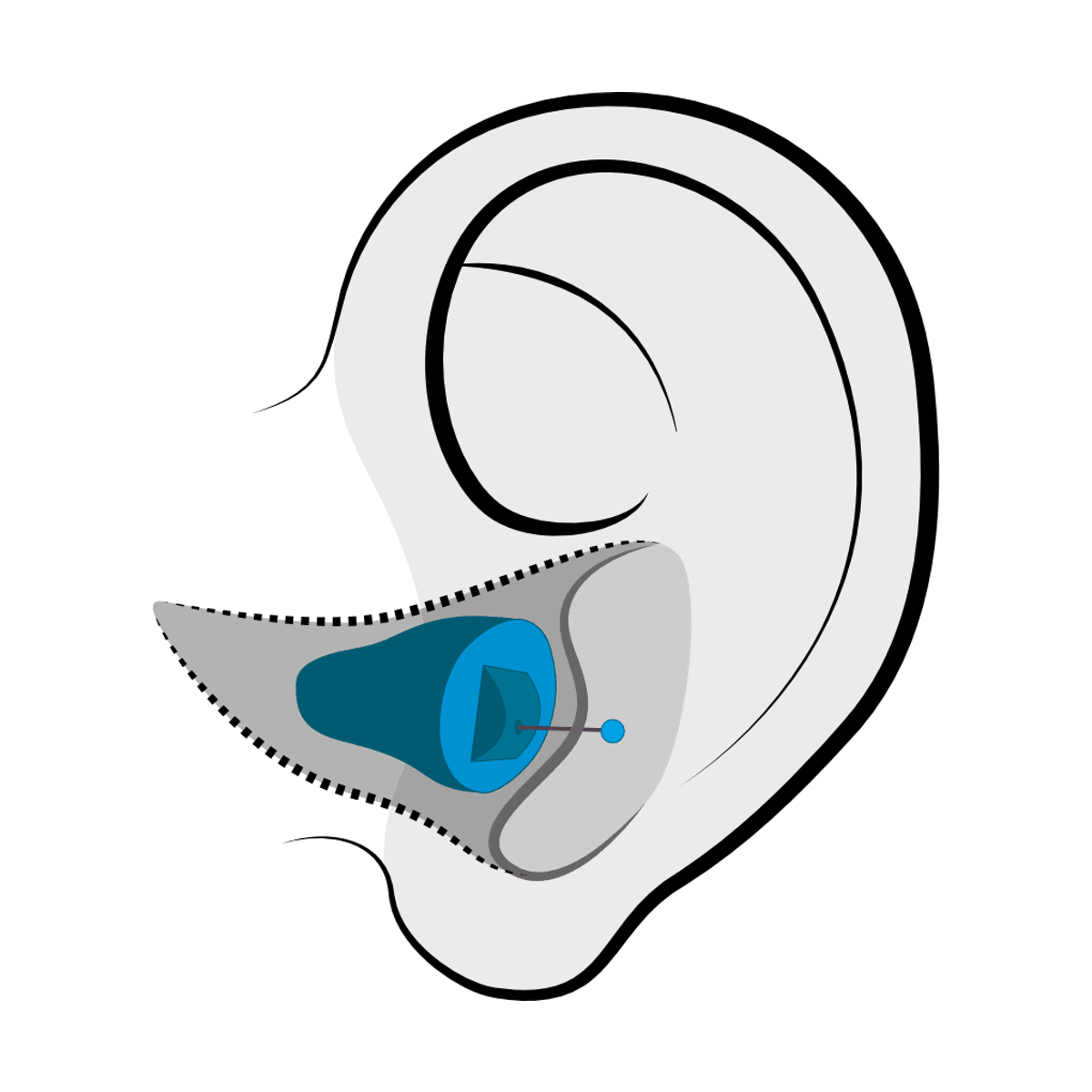
The smallest hearing aid available, IIC devices sit deep inside the ear canal and are virtually invisible to others. Best suited for mild to moderate hearing loss, they're removed daily with a small pull string, though their compact size limits some advanced features. If discretion is your top priority, this is the style to consider.
Hear What You've Been Missing — Schedule Your Visit
Trusted by Lehigh Valley families since 1984 — personalized hearing care at two convenient locations.
Serving the Lehigh Valley
Our Locations
Allen Audiology has two convenient locations in the Lehigh Valley — our main office in Allentown and a satellite office in Bethlehem.
- (610) 439-1196
- [email protected]
- Fax: 610-434-2200
- 40+ years serving the Lehigh Valley
- Parking available at both locations
- Wheelchair accessible
“The doctor could have easily sold me a product that I don't need, but she was honest and up front, advising that the benefits would not override the drawbacks. Very impressed with the honesty and professionalism!”— James Davis
Allentown
Main Office101 N. Cedar Crest Blvd
Allentown, PA 18104
| Monday | 9:00 AM - 5:00 PM |
| Tuesday | 9:00 AM - 5:00 PM |
| Wednesday | 9:00 AM - 5:00 PM |
| Thursday | 9:00 AM - 4:30 PM |
| Friday | 9:00 AM - 4:00 PM |
| Saturday | Closed |
| Sunday | Closed |
Bethlehem
Satellite Office2045 Westgate Drive, Ste 300
Bethlehem, PA 18017
| Tuesday | 9:00 AM - 5:00 PM |
| Thursday | 9:00 AM - 4:30 PM |
| Every Other Friday | 9:00 AM - 2:00 PM |
| All Other Days | Closed |
Frequently Asked Questions
Invisible-in-canal (IIC) and Completely-in-the-canal (CIC) hearing aids are the smallest and most discreet hearing aids we fit. They sit deep in the ear canal and are virtually undetectable to others, with only a tiny removal handle visible past the canal opening.
Both styles work well for mild to moderate hearing loss. Smaller housings mean less room for a directional microphone or aggressive noise reduction, and very small batteries can mean more frequent changes.
ITC and ITE hearing aids do not sit as deep in the ear canal and are easier to manipulate. They are appropriate for more severe hearing losses and have a larger battery that is easier to handle and will need to be replaced less frequently. This larger style of custom hearing aid is also available in rechargeable options.
Most current hearing aids feature built-in Bluetooth to pair directly with smartphones. Some smaller in-the-canal models lack this technology due to space limitations.