
Over-the-Counter Hearing Aids
What OTC Hearing Aids Are — and Who They're For
Since the FDA authorized over-the-counter hearing aids in 2022, adults with perceived mild to moderate hearing loss can purchase amplification devices without a prescription or professional fitting. OTC hearing aids are available in retail stores and online, typically at a lower price point than prescription devices. However, they are self-fitted and self-adjusted — meaning no audiologist verifies that the output matches your specific hearing loss. Allen Audiology focuses exclusively on prescription hearing aids — we do not service or adjust OTC devices.
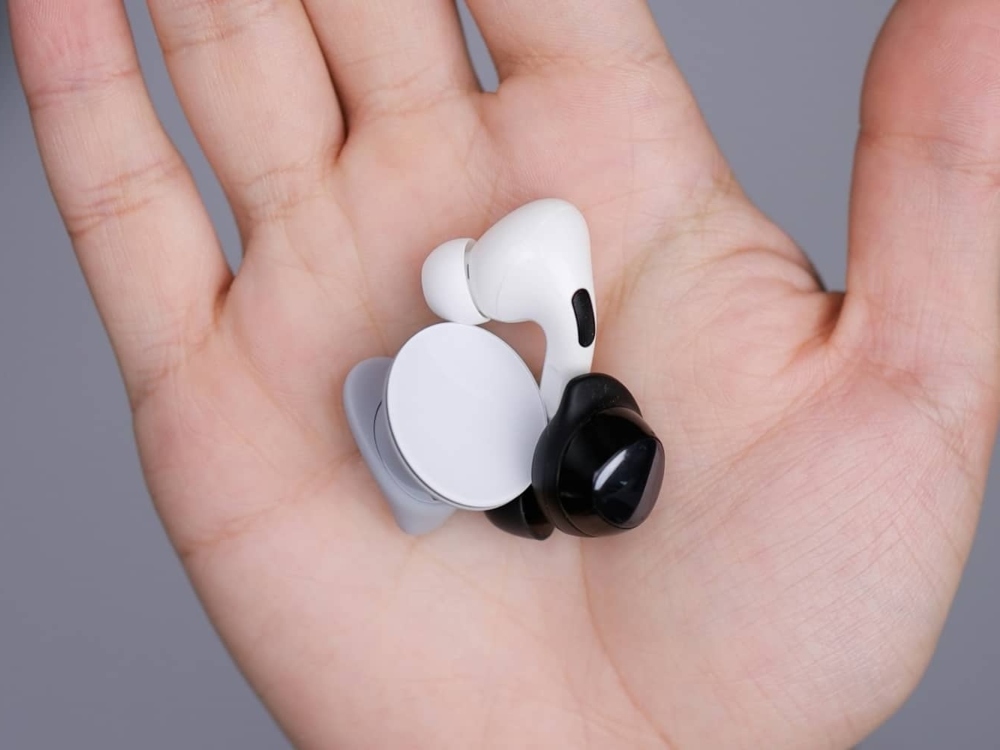
Prescription Hearing Aids vs OTC: Key Differences
The biggest advantage of prescription hearing aids is professional customization and ongoing care. A licensed audiologist programs each device to your exact audiogram using real-ear measurement, adjusts settings as your hearing changes, and provides regular maintenance. OTC devices rely on generic amplification profiles that may over-amplify some frequencies and under-amplify others. Without a baseline hearing test, you also risk masking a treatable medical condition. If you've tried OTC hearing aids and aren't satisfied, call (610) 439-1196 — a professional evaluation may reveal what the devices missed.
Patient Reviews
Hear from Lehigh Valley patients who trust Allen Audiology for their hearing care — real experiences from real people in Allentown and Bethlehem.
Hear What You've Been Missing — Schedule Your Visit
Trusted by Lehigh Valley families since 1984 — personalized hearing care at two convenient locations.
Serving the Lehigh Valley
Our Locations
Allen Audiology has two convenient locations in the Lehigh Valley — our main office in Allentown and a satellite office in Bethlehem.
- (610) 439-1196
- [email protected]
- Fax: 610-434-2200
- 40+ years serving the Lehigh Valley
- Parking available at both locations
- Wheelchair accessible
“The doctor could have easily sold me a product that I don't need, but she was honest and up front, advising that the benefits would not override the drawbacks. Very impressed with the honesty and professionalism!”— James Davis
Allentown
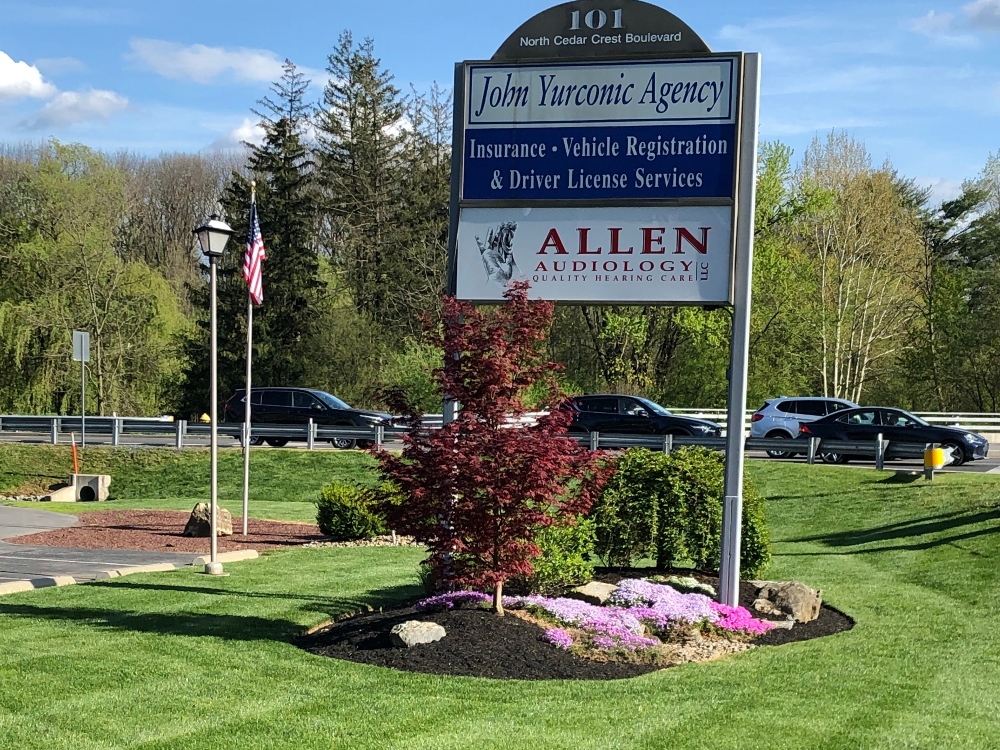
Main Office101 N. Cedar Crest Blvd
Allentown, PA 18104
| Monday | 9:00 AM - 5:00 PM |
| Tuesday | 9:00 AM - 5:00 PM |
| Wednesday | 9:00 AM - 5:00 PM |
| Thursday | 9:00 AM - 4:30 PM |
| Friday | 9:00 AM - 4:00 PM |
| Saturday | Closed |
| Sunday | Closed |
Bethlehem
Satellite Office2045 Westgate Drive, Ste 300
Bethlehem, PA 18017
| Tuesday | 9:00 AM - 5:00 PM |
| Thursday | 9:00 AM - 4:30 PM |
| Every Other Friday | 9:00 AM - 2:00 PM |
| All Other Days | Closed |
Frequently Asked Questions
OTC hearing aids are intended for adults 18 and older who perceive mild to moderate hearing difficulty. The FDA created this category to make basic amplification more accessible for people who might not otherwise seek help. They are not designed for children, for severe or profound hearing loss, or for hearing issues caused by an underlying medical condition.
Because OTC devices rely on self-assessment rather than a clinical audiogram, they may not address the full complexity of your hearing profile. A professional evaluation at Allen Audiology can determine whether OTC is appropriate or if prescription hearing aids would deliver significantly better results.
It's strongly recommended. While OTC hearing aids don't legally require a hearing test, getting a baseline audiogram provides critical information. A professional evaluation reveals the type, degree, and pattern of your hearing loss — details that determine whether OTC amplification will actually help or whether a different solution is needed.
A hearing test also rules out medical causes of hearing loss, such as earwax impaction, middle ear fluid, or sudden sensorineural loss, that require treatment rather than amplification. Allen Audiology offers comprehensive evaluations at both Lehigh Valley locations.
If you struggle to follow conversations in background noise, frequently ask others to repeat themselves, or notice that one ear hears differently than the other, those are signs that a professional hearing evaluation and prescription devices may serve you far better than an OTC option designed for perceived mild loss.
Prescription hearing aids are programmed to your audiogram, verified with real-ear measurement, and supported by ongoing professional care — including regular fine-tuning and clean-and-check visits. If your hearing loss exceeds the mild-to-moderate range, OTC devices simply will not have the amplification power or processing features you need. Call (610) 439-1196 to start with an evaluation.
Prescription hearing aids offer customized professional fitting, programming matched to your audiogram, real-ear measurement verification, advanced directional microphone systems, sophisticated noise reduction algorithms and tinnitus masking. They are also available in a wider range of styles and power levels.
Equally important is the ongoing professional support that comes with prescription devices — maintenance, regular fine-tuning, and access to your audiologist whenever your hearing needs change. OTC devices typically come with limited or no follow-up care.
For some people with genuinely mild hearing difficulty, OTC devices can serve as an introduction to amplification. They may help you realize how much you've been missing and motivate you to seek a comprehensive solution. However, starting with a professional hearing evaluation is always the better first step.
If your audiogram shows mild loss, you can decide between OTC and prescription with full knowledge of the trade-offs. If it reveals moderate or greater loss, you'll avoid wasting money on a device that was never designed for your needs. Call (610) 439-1196 to start with an evaluation.